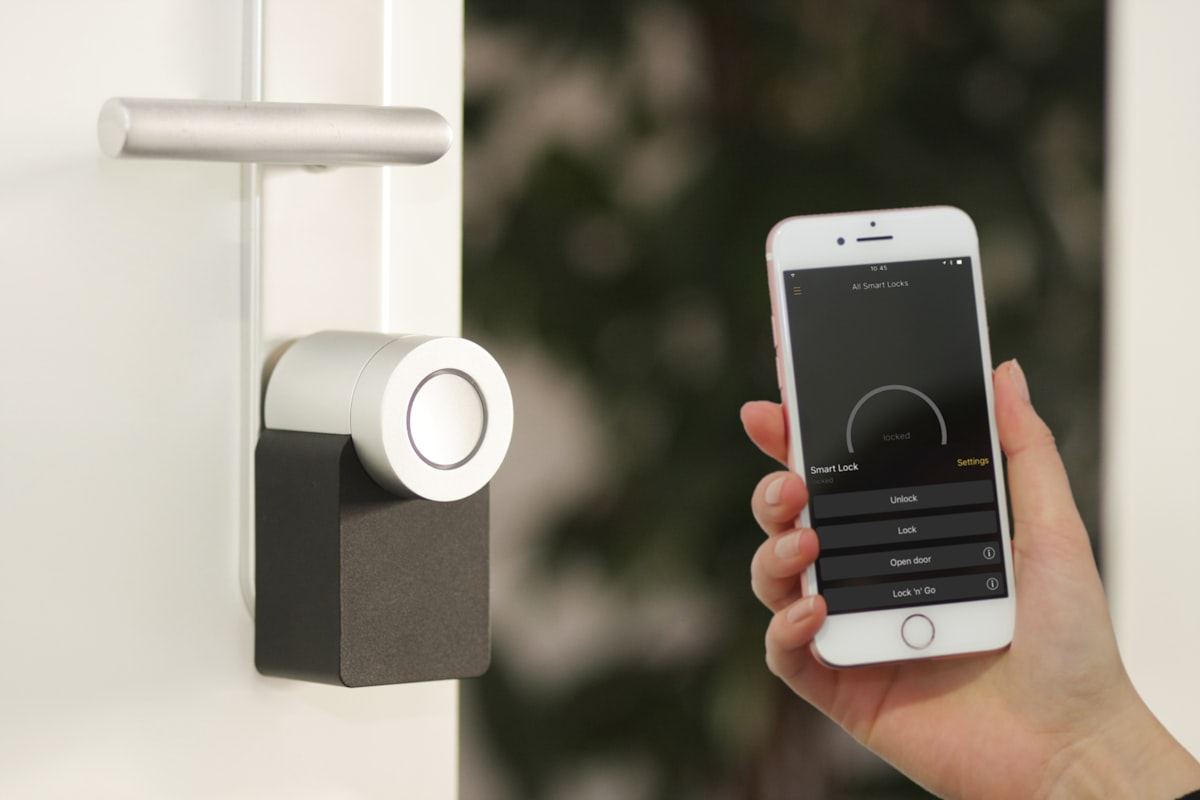
Most of our projects are remodels, not ground-up new construction. A client in Brentwood or Hancock Park has an existing home they love — the location, the lot, the character — and they're updating it. Adding smart home technology to an existing structure is completely different from designing a new build, and requires a different approach.
Here's how we think about it.
The Open-Walls Opportunity
If you're doing a remodel that involves opening walls — kitchen gut, bathroom remodel, addition — that's your opportunity to run wire. Once the walls close, the options narrow significantly. The sequence we push for: technology rough-in happens right after electrical and HVAC rough-in, before insulation. That's the window.
We work directly with the GC to coordinate this. We need the framing and electrical plans in advance so we can do a proper pre-wire layout. A few days of rough-in work during an open-walls phase can save weeks of retrofit work later and produce a dramatically cleaner result.
What You Can Do Without Opening Walls
A lot, actually. Lutron's RadioRA 3 is a wireless lighting control system that works without running new wire to most devices. We replace existing switches and dimmers with Lutron smart dimmers in the same electrical box — no new wire runs. The system communicates via mesh RF. This is how we do full-house lighting control retrofits without touching finished walls.
Same approach for shades — Lutron's battery-powered shade motors work in finished pockets or can be adapted for almost any existing shade hardware. Motorized in a week without pulling permits for electrical work.
For audio, Sonos is the right wireless whole-home audio platform. We've added multi-room audio to dozens of existing homes without a single new speaker wire.
Where You Do Need Wire
Network infrastructure. Cat6a to every room, TV location, major appliance location, and equipment area. If you're opening walls, run ethernet. It's cheap, it's fast to install during rough-in, and it's the single most future-proof infrastructure investment you can make.
Camera systems require power runs to the camera locations. We try to consolidate these with existing electrical work but it often requires some focused wire pulling through finished spaces. Good low-voltage technicians can do this with minimal patching.
Sequencing with the GC
We want to be at the pre-construction meeting. We want to be on the job site contact list. We want a call before the insulation goes in. Most GCs we work with regularly — in the Brentwood, Pasadena, Beverly Hills, and Malibu markets — know this is how we work and we've built good relationships because we don't slow them down.
If you're starting a remodel and haven't looped in your technology integrator yet, now is the right time.