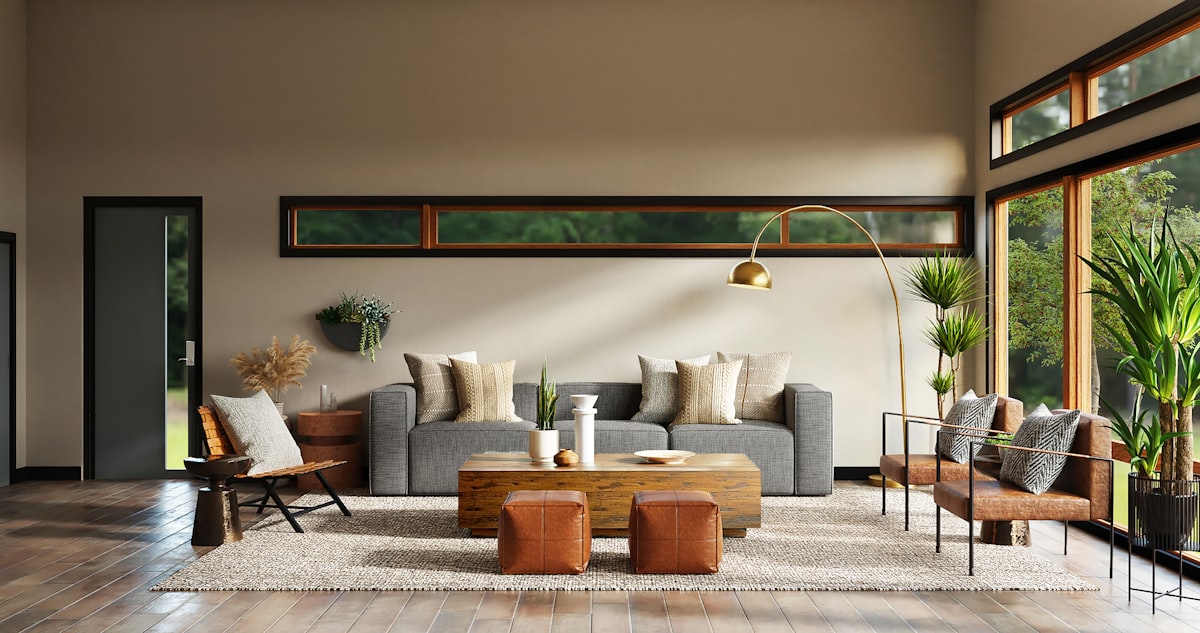
We did a project in Holmby Hills last year — a significant renovation of a historic property with an architecture firm that has very strong design convictions. The clients wanted the full automation package: whole-home audio, lighting control, motorized shades, security, home theater. The designers wanted zero visible technology.
Achieving both is a craft, not just a technical task.
Speakers That Aren't There
On this project, we used Sonance invisible speakers in the primary living spaces — completely behind the drywall, painted over, invisible. In the library (where acoustic performance was a higher priority), we used Sonance in-wall speakers with custom grilles finished to match the millwork color and profile. Standing three feet away, you cannot see them unless you know where to look.
For outdoor terraces, Sonance landscape speakers were integrated into planters and hardscape elements during the landscape installation phase, so no surface-mounted hardware was visible.
Cameras That Look Like Architecture
Cameras on this property are integrated into the architectural details. Gate entry cameras are built into the pillar cap design. Exterior cameras are in custom housings that match the building's trim profile. Interior cameras (where required) are in recessed ceiling positions that read as architectural elements, not surveillance equipment.
This requires collaboration with the architect before the finishes are designed. We can't retrofit invisible cameras into finished architecture — we have to design them in.
The Equipment Room as a Feature
The equipment room on this project was designed as a proper tech room — two full-height racks, mini-split cooling, a small desk for service work, labeled and documented. It's behind a door that looks like a closet door. The client knows what's in there and can show it off if they want to. More often, they just appreciate that everything works and nothing is visible.
Control Interfaces
Lutron Palladiom keypads in a finish specified to match the hardware throughout the house. Every keypad position was reviewed by the designer. They're in places where you'd naturally want a light switch; they look like a considered design element, not an afterthought.
The primary control interface for the homeowner is Josh.ai and the Control4 app on their phones. There are no visible screens in the main living areas — just the keypads and voice. Clean.
What It Takes
None of this happens without early collaboration, good documentation, and a genuine commitment to the design intent. We're not just installers — we're part of the design team on projects like this. And when the result is a home that feels effortless, where the technology disappears and the experience remains, that's exactly what we set out to do.